Maintaining a washing machine is very important to ensure its longevity and efficiency. Here are some of the best practices and routines you can follow to maintain a healthy washing machine.
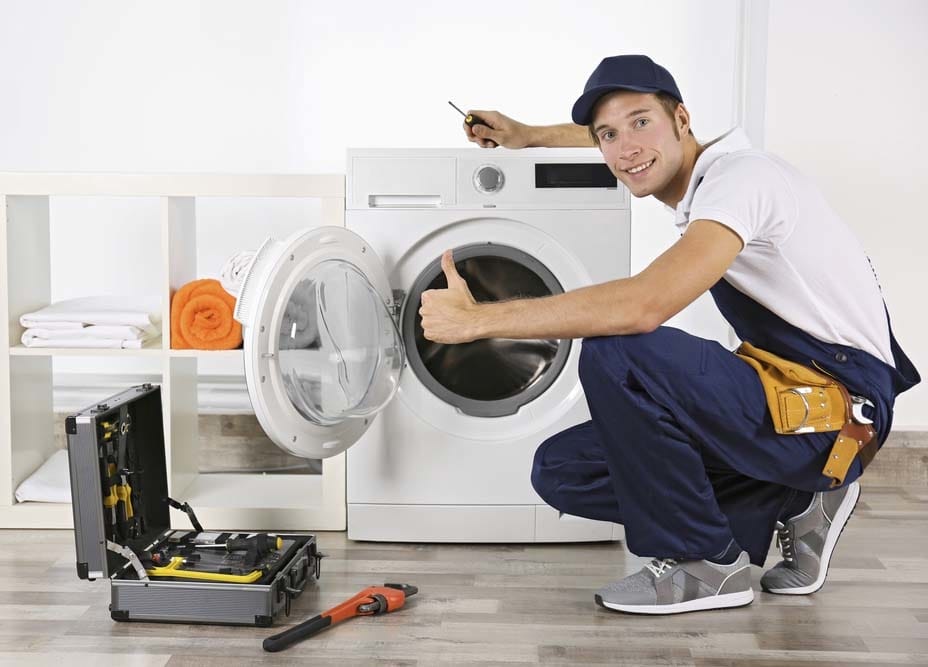
Washing machine maintenance practices
Routine maintenance practices can be categorized based on their frequency:
- Daily Practices: These include simple actions post-use, like wiping down the machine’s interior and exterior, and leaving the door open to air out the drum to prevent mold and odor build-up.
- Weekly Practices: This might involve cleaning the detergent drawer and door seals to remove any residue or lint that accumulates.
- Monthly Practices: Running a maintenance wash (a hot cycle without any clothes, using a washing machine cleaner) helps to clean the drum and eliminate any lingering odors or residues. It’s also a good time to check and clean any filters.
- Annual Practices: Once a year, it’s beneficial to have a more thorough check-up. This might involve inspecting hoses for leaks or wear, checking the machine is level, and potentially getting a professional to service the machine. This ensures that any wear and tear is addressed before it becomes a significant issue.
Routine Cleaning and Care for Washing Machines
Maintaining a washing machine’s efficiency and longevity greatly depends on routine cleaning and care. This involves a range of practices, from daily habits to monthly deep-cleaning routines.
Daily and Post-Use Tips
- Wiping Down: After each use, it’s beneficial to wipe down the interior and exterior of the machine. This removes any detergent residue, water spots, or lint left behind from the wash cycle. A simple, damp cloth is usually sufficient for this task.
- Airing Out: Post-use, leave the washing machine door and detergent drawer open for a while. This allows air circulation inside the machine, which helps in drying out any remaining moisture. This practice is crucial in preventing the growth of mold and mildew, which can cause unpleasant odors and potentially damage the machine.
- Removing Lint and Debris: Check the drum for any left-behind lint, hair, or small objects like coins. These items can clog the drain over time and lead to inefficiencies or damage.
Weekly and Monthly Practices
- Cleaning Detergent Drawers and Dispensers: Over time, detergent and fabric softener can build up in the drawers and dispensers, leading to clogs and inefficient dispensing. Weekly, these components should be removed and cleaned thoroughly with warm, soapy water to remove any residue.
- Checking and Cleaning Rubber Seals and Gaskets: The rubber seals around the door are prone to trapping moisture and lint. Weekly wiping and inspection of these seals can prevent mold growth and ensure a tight seal during wash cycles.
- Monthly Deep Cleaning: Running a cleaning cycle every month is essential. This involves running the machine empty on a hot cycle with a specialized washing machine cleaner or a natural alternative like vinegar. This cycle helps to remove detergent build-up, bacteria, and odors from within the drum and other internal components.
- Inspecting and Cleaning Filters: Many washing machines have filters that catch lint, coins, and other debris. These should be checked and cleaned monthly to ensure they are not clogged, as a clogged filter can affect the machine’s performance and potentially lead to damage.
Periodic Checks and Troubleshooting for Washing Machines
Regular maintenance of a washing machine isn’t just about cleaning; it also involves periodic checks and troubleshooting to ensure its optimal functioning and to address common issues that may arise over time.
Quarterly and Annual Maintenance Checks
- Inspecting Hoses: Every few months, it’s important to inspect the water hoses connected to the washing machine. Look for any signs of wear, cracks, bulges, or leaks. A damaged hose can lead to water leaks, which not only wastes water but can also cause significant damage to your home. It’s recommended to replace these hoses every 3-5 years as a preventative measure.
- Checking Connections and Fittings: Along with the hoses, check all connections and fittings for tightness and integrity. Loose connections can lead to leaks and inefficient operation.
- Balancing and Leveling: Periodically check if your washing machine is level. An unbalanced machine can vibrate excessively, leading to noise and potentially causing wear and tear on parts.
- Professional Servicing: Annually, or as recommended by the manufacturer, it’s advisable to have your washing machine serviced by a professional. They can perform a more thorough inspection and maintenance, including checking internal components and electrical connections that aren’t accessible or advisable for most users to handle themselves.
Identifying and Addressing Common Issues
- Washing Machine Not Starting: This could be due to a variety of issues, including power problems, a tripped circuit breaker, or a malfunctioning door latch. Also, your washing may pause frequently while running. Check the basics first (like power supply and door closure) before calling for professional help.
- Noise and Vibration: Excessive noise or vibration often indicates an unbalanced load or an unlevel machine. Redistributing the laundry or adjusting the machine’s legs can usually resolve this.
- Drainage Problems: If the washing machine isn’t draining properly, check the drain hose for clogs or kinks. Also, inspect the pump filter (if accessible), as it can get blocked with debris.
- Water Leaks: Small leaks in the washer can often be traced back to loose connections or damaged hoses. Tightening connections or replacing hoses can resolve this issue. If the leak is coming from under the machine, it could be more serious, like a faulty pump, and might require professional attention.
- Odor or Mold: Persistent odors are usually due to mold or mildew growth, often because of standing water in the drum or gaskets. Running a hot wash cycle with a washing machine cleaner and routinely cleaning the rubber gaskets can help prevent this.
 For Insights
Leave a comment