The integration of technology into various industries has transformed how professionals work, and interior design is no exception. With the advent of Interior Design AI, designers are finding new ways to enhance creativity and efficiency in their projects. AI tools are revolutionizing the design process by providing innovative solutions that streamline workflows and spark inspiration.
Streamlining Design Processes
One of the significant advantages of using AI in interior design is the ability to streamline various design processes. Traditional design often involves time-consuming tasks such as drafting layouts and creating mood boards. AI-powered software can automate these tasks, allowing designers to focus on more creative aspects of their projects. For instance, AI can generate multiple design variations based on a set of parameters, enabling designers to explore a broader range of ideas quickly. This automation not only saves time but also encourages designers to experiment with different styles and concepts without the fear of wasting resources.
Personalized Design Recommendations
AI tools are also adept at analyzing user preferences and providing personalized design recommendations. By leveraging machine learning algorithms, these tools can learn from past projects and client interactions to suggest color palettes, furniture arrangements, and decor styles that align with individual tastes. This level of personalization can lead to more satisfying outcomes for clients, as they receive designs that resonate with their specific needs and desires. As a result, designers can build stronger relationships with their clients, fostering a collaborative environment that nurtures creativity.
Enhanced Visualization Capabilities
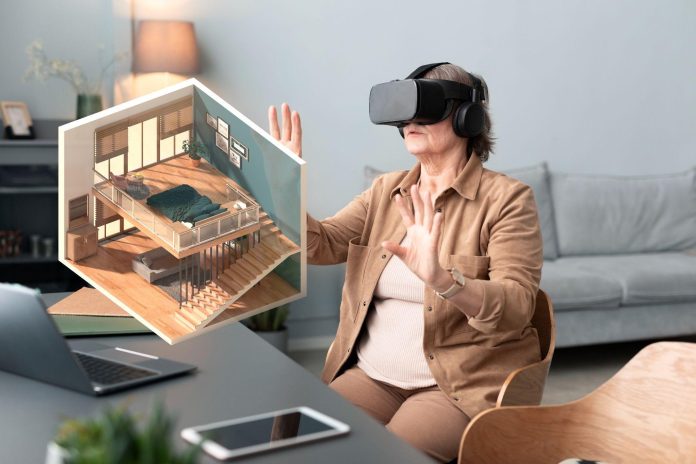
Visualizing design concepts can be a challenge, especially when trying to convey ideas to clients. Interior Design AI offers advanced visualization tools that can create realistic 3D renderings and virtual reality experiences. These visual aids help clients better understand the proposed designs, making it easier for them to provide feedback. With tools that allow for real-time modifications, designers can quickly implement changes based on client preferences, fostering a more dynamic design process. This enhanced visualization capability not only improves communication but also inspires designers to think outside the box.
Access to a Wealth of Resources
AI tools can serve as a repository of design resources, providing designers with access to a vast library of materials, styles, and trends. By analyzing current market data, AI can identify popular design elements and suggest incorporating them into new projects. This resourcefulness helps designers stay updated on emerging trends while allowing them to maintain their creativity. Moreover, having easy access to a variety of options can spark new ideas and lead to more innovative designs.
Reducing Creative Blocks
Creativity can be unpredictable, and many designers face creative blocks from time to time. AI tools can assist in overcoming these hurdles by offering inspiration through various means. Whether it’s generating mood boards based on specific themes or suggesting color combinations that work well together, AI can provide the creative boost that designers may need. By incorporating AI into their creative process, designers can cultivate a more fluid and adaptable approach to their work.
Conclusion
The role of Interior Design AI in enhancing creativity cannot be overstated. By streamlining processes, providing personalized recommendations, improving visualization, offering resource access, and reducing creative blocks, AI tools are becoming invaluable assets for interior designers. As technology continues to evolve, it will undoubtedly play an even more significant role in shaping the future of interior design, empowering professionals to unlock their full creative potential while delivering exceptional results for their clients.
 For Insights
Leave a comment