Managing moisture is essential for preserving the strength and durability of a structure. Two primary methods to combat moisture intrusion are waterproofing and damp proofing. Although they serve similar purposes, they are distinct in application and effectiveness. Understanding these differences can help you select the appropriate method based on your specific needs.
Difference Between Waterproofing and Damp Proofing
What Is Damp Proofing?
Damp proofing is a technique applied to walls or floors to resist the penetration of moisture from the ground. It generally involves coating surfaces with a barrier material, often an asphalt-based substance, which restricts the flow of moisture. However, damp proofing is not intended to withstand standing water or intense hydrostatic pressure.
This method is typically used in areas where moisture levels are minimal and where there is no direct exposure to significant water accumulation. For example, a properly damp-proofed basement wall can resist minor soil moisture but may not hold up under heavy rainfall or groundwater pressure.
What Is Waterproofing?
Waterproofing provides a more comprehensive barrier against water. It is a method that prevents water from entering a structure entirely, even under conditions of continuous exposure or pressure. Waterproofing materials are designed to block both moisture and liquid water, making them suitable for more demanding environments.
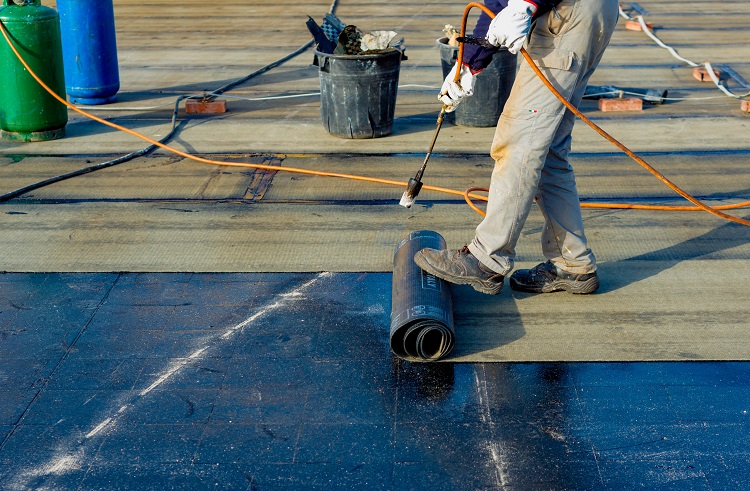
Unlike damp proofing, waterproofing systems can handle prolonged contact with water without failure. These systems often include membranes, coatings, or panels that are applied to foundations, roofs, or balconies to create a continuous seal against water intrusion. In areas like Valencia, where sudden rainfall or high humidity levels are common, the demand for reliable impermeabilizaciones Valencia has led many property owners to prioritize waterproofing over basic damp proofing solutions.
When Should You Use Damp Proofing?
Damp proofing should be considered in scenarios where moisture exposure is limited. If you are building a storage shed, a detached garage, or any structure with minimal ground moisture risk, damp proofing can be an effective and economical choice.
It is important to assess the location of the structure and the climate before proceeding. Structures built in dry regions with excellent drainage systems might perform well with just damp proofing.
When Should You Use Waterproofing?
Waterproofing is essential for structures exposed to heavy rainfall, flooding, or persistent ground moisture. Foundations, basements, rooftops, and terraces benefit from comprehensive waterproofing systems. Choosing waterproofing becomes critical in coastal or humid areas where weather patterns can lead to unexpected water accumulation.
Professional services specializing in impermeabilizaciones Valencia often recommend waterproofing for residential and commercial buildings because of the climatic patterns in the region, which include frequent rain and elevated humidity.
Conclusion
Choosing between damp proofing and waterproofing depends largely on the environmental conditions, the location of the structure, and the intended use of the building. Damp proofing can suffice for minor moisture control in dry areas, while waterproofing is a necessity for more demanding conditions. By evaluating your specific situation and selecting the appropriate method, you can significantly extend the life of your property.
 For Insights
Leave a comment