The beginning of the school year brings several responsibilities for parents, and one often overlooked area is their child’s eye health. As academic demands increase, children’s visual needs become more pronounced, particularly with reading, writing, and screen exposure. Good vision supports learning and development, so it’s important to give attention to the condition of a child’s eyes before they begin their school term.
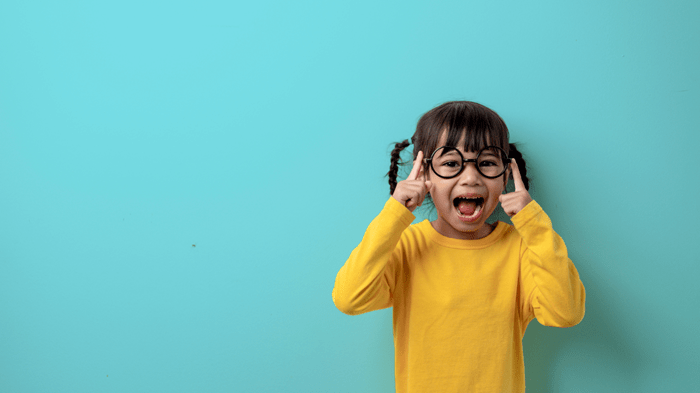
What Should Parents Know About Children’s Eye Health Before School Starts?
Common Eye Conditions in School-Age Children
Refractive errors are among the most frequent issues affecting school children. These include:
- Myopia (nearsightedness): Difficulty seeing objects at a distance.
- Hyperopia (farsightedness): Difficulty focusing on nearby objects.
- Astigmatism: Distorted or blurred vision at all distances due to irregular curvature of the eye.
These conditions are generally correctable with glasses or contact lenses, depending on the child’s age and needs. Regular visits to a qualified optician or optometrist can help in managing these conditions appropriately and maintain your eye health.
Impact of Screen Use on Children’s Eyes
The use of tablets, smartphones, and computers has significantly increased, both in classrooms and at home. Prolonged screen exposure can lead to digital eye strain, which includes symptoms such as dryness, irritation, blurred vision, and fatigue.
While digital devices are an essential part of learning, it is recommended to manage their usage by encouraging regular breaks using the 20-20-20 rule: every 20 minutes, look at something 20 feet away for at least 20 seconds. This simple practice can help reduce strain and support overall eye comfort during extended periods of study or device use.
Preparing for an Eye Exam
An eye examination for a child differs from an adult’s. It involves assessing how the eyes work together, depth perception, and whether the eyes can follow a moving object correctly. A visit to a reliable center such as Optica Catarroja can provide comprehensive assessments tailored to children’s visual needs. The professionals there are equipped to handle pediatric evaluations with methods that are child-friendly and effective.
Parents can prepare their children for these visits by explaining that the exam is simple and painless. Understanding what to expect reduces any hesitation or nervousness about the appointment.
Conclusion
Eye health is a key part of a child’s overall development and academic success. Starting the school year with a proper eye exam can make a meaningful difference in how children learn and interact in the classroom. Visiting a trusted provider before the school term begins is a practical step to support a child’s vision needs throughout the academic year. Making this part of your annual preparation can help maintain steady progress and prevent avoidable setbacks in both learning and health.
 For Insights
Leave a comment