When assembling electrical panels, grounding is often overlooked. But grounding is crucial for safety and functionality. It helps prevent electrical shocks and fires. Many people don’t realize how grounding protects both people and equipment. Proper grounding ensures a reliable electrical system. This article explores why grounding is essential during Assembly of electrical panels.
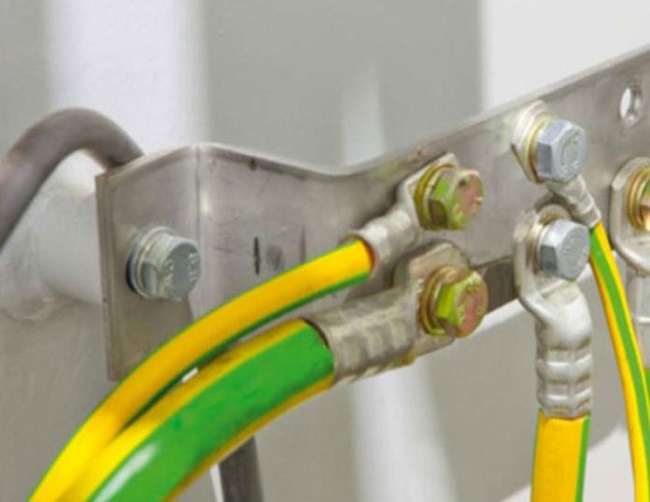
Protecting Lives Through Grounding
Grounding creates a safe path for electricity to flow into the earth. This prevents dangerous voltage from building up. If there is a fault in the panel, grounding directs the electricity away from users. This reduces the risk of electric shock. Without grounding, even small faults can become deadly. Grounding is a lifesaver in electrical panel assembly.
Preventing Equipment Damage
Electrical panels house sensitive equipment. Fault currents can cause damage if not safely discharged. Grounding helps redirect these currents away from components. This prevents overheating and short circuits inside the panel. Proper grounding extends the life of the equipment. It is a key step during montaje de cuadros electricos for system longevity.
Maintaining System Stability
Grounding helps stabilize voltage levels in electrical systems. It prevents fluctuations that could disrupt equipment performance. When voltage spikes happen, grounding absorbs the excess energy. This keeps the electrical system balanced and reliable. Panels without grounding face frequent failures and downtime. Stability is essential for smooth operation in industrial and residential setups.
Legal and Safety Regulations
Most countries have strict regulations requiring proper grounding. Electrical codes demand grounding during panel assembly. Following these rules ensures safety compliance and avoids legal issues. Inspectors check for correct grounding in installed panels. Non-compliance can lead to fines or shutdowns. Grounding is not just good practice but a legal necessity.
Enhancing Fault Detection and Troubleshooting
Grounding simplifies finding faults in electrical panels. It provides a reference point for testing equipment. Technicians can quickly identify where issues occur during maintenance. Without grounding, diagnosing problems becomes complicated and time-consuming. This delays repairs and increases risks. Grounding thus plays a vital role in panel upkeep and safety.
Reducing Electromagnetic Interference
Grounding also helps minimize electromagnetic interference (EMI) in electrical panels. EMI can disrupt sensitive electronic devices connected to the system. Proper grounding creates a shield that absorbs or redirects unwanted signals. This prevents malfunction or data loss in control systems. Without grounding, panels are more prone to noise and disturbances. Controlling EMI is crucial for reliable electrical panel performance.
Ensuring Personnel Safety During Maintenance
During maintenance or repairs, grounding safeguards technicians working on panels. It prevents accidental electric shocks from stored or stray currents. Grounding dissipates these currents safely before work begins. This creates a secure environment for electrical workers. Panels assembled without proper grounding pose serious hazards. Prioritizing grounding during Assembly of electrical panels ensures safe maintenance procedures.
Conclusion
Grounding during electrical panel assembly is fundamental for many reasons. It protects human life, equipment, and ensures system stability. It also meets legal safety standards and aids in troubleshooting faults. Neglecting grounding risks serious accidents and costly damages. Proper grounding is an essential part of Assembly of electrical panels that should never be ignored.
 For Insights
Leave a comment