Swim bladder disease is a common issue in aquarium fish, especially in species like goldfish and bettas. The condition affects the fish’s ability to control buoyancy, causing it to float upside down, tilt to one side, or sink to the bottom. Treating this condition in the main tank is not ideal since other fish may disturb the sick one and water parameters can vary. This is why a hospital tank is often set up. It provides a controlled space to treat the fish safely and effectively.
Below, we will see how to create a proper hospital tank step by step.
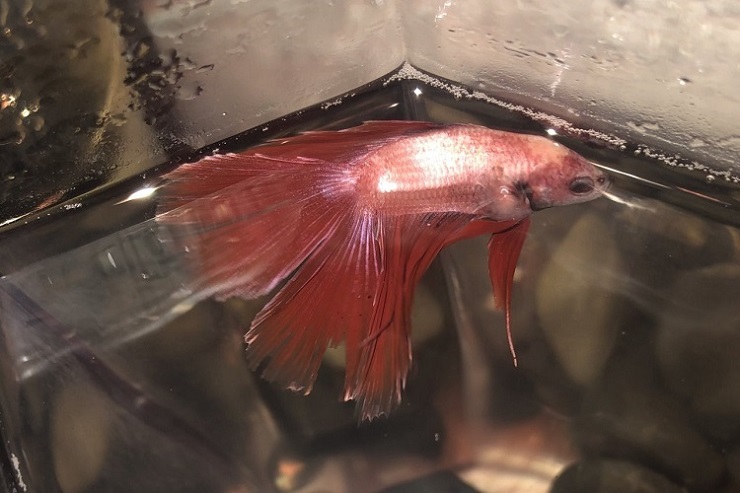
Choosing the Right Tank Size
A hospital tank does not need to be large. A 5 to 10-gallon tank is usually sufficient for most small to medium fish. For larger fish, you can choose a slightly bigger tank, but it should still be easy to maintain. The purpose of this tank is treatment, not long-term living, so keep it simple and functional.
Basic Equipment Required
To set up a hospital tank, you will need some essential equipment:
- A small tank (5–10 gallons)
- A heater (if treating tropical fish)
- A gentle sponge filter or air stone for aeration
- A thermometer
- A few hiding places such as PVC pipes or small decorations
Unlike display tanks, you do not need gravel, live plants, or decorative items. A bare-bottom setup makes cleaning and monitoring much easier.
Maintaining Water Quality
Water quality is very important when treating swim bladder disease. Since sick fish are already under stress, clean water helps with recovery. Perform partial water changes every day or every other day. Use a water conditioner to remove chlorine and other harmful substances.
Do not use strong filters in a hospital tank. A sponge filter works best because it gives biological filtration without creating a strong current. Fish with swim bladder issues struggle with movement, so calm water flow is necessary.
Setting the Right Temperature
Temperature plays a big role in recovery. Most tropical fish respond well to a range of 24–26°C. Goldfish, which are cold-water fish, do not need heating unless the room temperature drops too low. A stable temperature is more important than frequent adjustments. Sudden changes can add further stress to the fish.
Feeding Practices in a Hospital Tank
Diet is a key part of treating swim bladder disease. Overfeeding or feeding dry food can make the problem worse. In a hospital tank, give the fish small portions of high-fiber foods like boiled peas (with the skin removed). For bettas and other tropical fish, frozen daphnia or bloodworms can be used.
Avoid feeding floating pellets during treatment. Soak any dry food before feeding so that it does not expand inside the fish’s stomach. Feed sparingly and observe if the fish is able to eat comfortably.
Adding Medication if Needed
In some cases, swim bladder disease is linked to bacterial infection or parasites. If water changes and dietary changes do not help, you may need to use medications. Always follow the instructions on the medication package. Do not overdose, as it can harm the fish. Since the hospital tank is separate, treatments will not affect other fish or the main aquarium’s balance.
Keeping the Environment Stress-Free
Stress slows down healing. Keep the hospital tank in a quiet area with minimal disturbances. Provide simple hiding spots where the fish can rest without being bothered. Avoid bright lighting and unnecessary movement around the tank.
Observing the Fish
A hospital tank allows you to closely watch the sick fish. Note if buoyancy improves after dietary adjustments. Check if the fish responds better after water changes or medication. Record any improvements over a few days. If the condition worsens, you may need to consult an aquatic veterinarian.
Conclusion
Creating a hospital tank for swim bladder disease does not require complicated equipment. A small tank with clean water, stable temperature, and proper feeding can make a big difference in the recovery of your fish. By isolating the fish in a controlled environment, you reduce stress and increase the chances of successful treatment. With patience and proper care, many fish are able to recover from this condition and return to normal activity.
 For Insights
Leave a comment