Signature stamps have become a practical tool for many artists and crafters who want a clear and consistent way to mark their work. Whether you create handmade cards, art prints, scrapbooks, or fabric items, a signature stamp can help identify your pieces while keeping the overall presentation clean. Instead of writing your name by hand on every project, you can use a stamp that gives the same result each time.
In this article, we will look at how artists and crafters can use signature stamps in their creative work, how they fit into different projects, and what benefits they offer.
What Is a Signature Stamp?
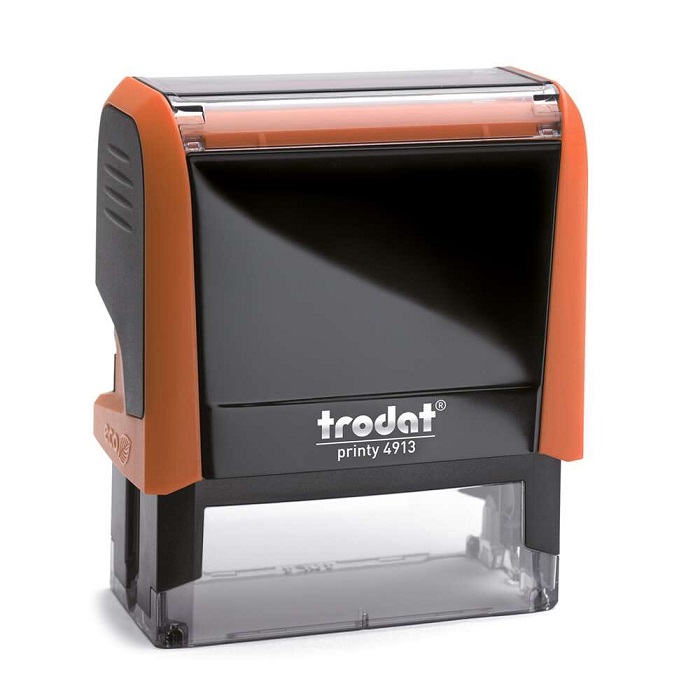
A signature stamp is a rubber or polymer stamp that carries your name, initials, logo, or short phrase. It can be pressed onto paper, fabric, or other surfaces using ink or special stamp pads. Many creators use these stamps as a replacement for handwritten signatures, especially when they produce many items.
Since the stamp repeats the same mark every time, it gives your work a consistent identity. This can be useful for both hobbyists and people who sell their crafts.
Why Artists and Crafters Use Signature Stamps
Artists and crafters often spend many hours creating their work. Signing each piece by hand can be tiring and may lead to differences in how the signature looks. A signature stamp solves this issue by giving a uniform mark that does not change from one item to another.
Another reason is time. When you are working on many cards, prints, or tags, stamping is much faster than writing. This allows you to focus more on the creative part of your project.
There is also a neatness factor. A stamp can place your name or logo in a clean, readable form. This can look more professional and help people remember who created the item.
Using Signature Stamps on Paper Crafts
Paper crafts are one of the most common areas where signature stamps are used. This includes greeting cards, journals, planners, and art prints.
On handmade cards, a stamp can be placed on the back or inside. This keeps the front design clear while still showing who made it. For art prints, many artists stamp their name or logo on the back or in a corner. This works well for limited print runs or open editions.
Scrapbookers also use stamps to add their name and the date to pages they have worked on. Over time, this makes it easier to remember when and by whom a page was made.
Some creators also explore Signature Stamp Art by making the stamp part of the design. For example, the stamped name might be blended into a border or pattern. This adds a personal mark without taking attention away from the main image.
Using Signature Stamps on Fabric and Mixed Media
Signature stamps are not limited to paper. With the right type of ink, they can be used on fabric, wood, and other materials. Many crafters who make tote bags, quilts, or fabric art use stamps to add their name to the finished piece.
Fabric ink pads allow the stamp to stay visible even after washing. This makes them useful for items that will be used often, such as bags or pillow covers. The stamp is usually placed in a corner or on a label sewn into the item.
In mixed media art, stamps can be used as a layer within the design. The name or mark can appear in the background or as part of a collage. This adds another visual element while still marking the piece.
Building Recognition Through Repeated Use
Using a signature stamp on every piece helps people connect the work to the creator. Over time, buyers and viewers start to recognize the stamp and link it with your style.
This is useful if you sell online, at craft fairs, or through galleries. A clear and steady mark makes it easier for customers to remember who made the item. It also helps if your work is shared or gifted, as your name stays with it.
Some artists use a simple text stamp, while others include a small symbol or logo. Both options work as long as the mark stays the same across different projects.
Adding Dates and Editions
Signature stamps can also include a date or edition number. This is common for printmakers and illustrators who release work in limited runs. A stamp might show the artist’s name and space to write in the print number by hand.
This mix of stamping and writing gives a personal touch while keeping the main details clear and readable. It also helps collectors know when the piece was made.
Keeping the Design Balanced
While a signature stamp is useful, placement matters. It should not overpower the artwork or distract from the main design. Many creators place their stamp in a corner, on the back, or along the edge.
The size of the stamp should also match the scale of the work. A large stamp on a small card can look out of place. A smaller, cleaner stamp often works better for delicate designs.
Ink color is another factor. Black or dark brown is common for paper. For fabric or colorful art, a shade that fits the overall look may be a better choice.
Choosing and Maintaining a Stamp
A good stamp should give clear impressions without blurred edges. Cleaning it after use helps keep the lines sharp. Ink can build up over time, so wiping the stamp with a damp cloth or stamp cleaner is helpful.
Storing the stamp in a dry place also helps extend its life. With basic care, a stamp can be used for many years across many projects.
Conclusion
Signature stamps give artists and crafters a simple way to mark their work while saving time and keeping a steady look. They work well on paper, fabric, and mixed media, and they help build recognition for the creator. Whether used as a small mark or as part of Signature Stamp Art, they offer a practical way to sign and share creative pieces with confidence.
 For Insights
Leave a comment