A self inking signature stamp is commonly used by professionals and companies to speed up routine documentation. Many businesses rely on it for internal approvals, invoices, and repetitive paperwork. However, the legal status of such stamps often raises questions, especially when used on official or financial documents. This article explains whether a self inking signature stamp is legally accepted and where its use is permitted.
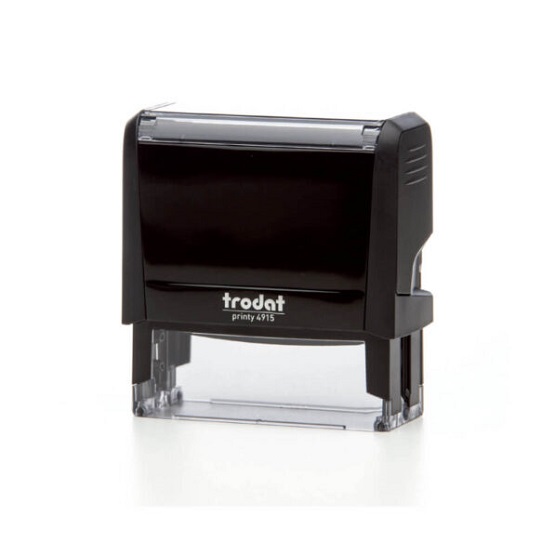
Is a Self Inking Signature Stamp Legally Valid?
The legality of a self inking signature stamp depends on how and where it is used. In many countries, signature stamps are legally accepted for business operations, provided they are used with consent and proper internal controls.
For routine business documents such as delivery notes, internal memos, and acknowledgments, stamped signatures are generally allowed. Courts and regulatory bodies usually treat these as valid if there is no dispute over intent or authorization.
However, a stamped signature does not always carry the same legal weight as a handwritten one.
Use of Signature Stamps for Businesses
Signature Stamps for businesses are commonly accepted in daily operations. They are used in accounting departments, logistics offices, and administrative teams to reduce manual work.
Common acceptable uses include:
- Invoices and billing documents
- Purchase orders
- Internal approval forms
- Customer receipts
- Office correspondence
As long as the stamp is controlled and used by authorized personnel, businesses face minimal legal risk in these scenarios.
Documents Where Signature Stamps Are Not Accepted
There are certain documents where a self inking signature stamp is not legally accepted. These usually involve personal liability or legal commitments.
Examples include:
- Legal affidavits
- Wills and testament papers
- Property sale agreements
- Government submitted identity forms
- Bank loan agreements
In these cases, handwritten signatures or verified digital signatures are usually required. Using a stamp on such documents may result in rejection or legal disputes.
Authority and Consent Matter
The legal acceptance of a signature stamp depends heavily on authority. If a company owner or authorized signatory approves the use of a stamp, it becomes an extension of their consent.
Problems arise when stamps are used without permission. Unauthorized use can lead to fraud claims or contract disputes. For this reason, many companies store signature stamps securely and restrict access.
Risk Factors to Consider
While self inking signature stamps offer convenience, they also carry risks. If a stamp is misplaced or misused, it can result in unauthorized approvals.
To reduce risk, businesses often:
- Limit access to the stamp
- Maintain internal approval logs
- Avoid using stamps for binding agreements
- Assign responsibility to specific staff
These measures help maintain accountability.
Conclusion
A self inking signature stamp is legal for many business and administrative uses but is not suitable for all official documents. Its acceptance depends on document type, jurisdiction, and authorization. Signature Stamps for businesses work best for routine paperwork where speed and consistency matter. For legal or high risk documents, handwritten or digital signatures remain the safer option.
 For Insights
Leave a comment