Posture plays a major role in the health of your spine, especially the lower back. Sitting or standing in the wrong way for extended periods can lead to discomfort, strain, and eventually, long-term issues with your back. Correcting your posture is one of the practical remedies for lower back pain that can make a noticeable difference in how your body feels on a daily basis.
In this article, we will discuss how posture affects your lower back, the consequences of poor alignment, and steps you can take to correct your posture and reduce pain.
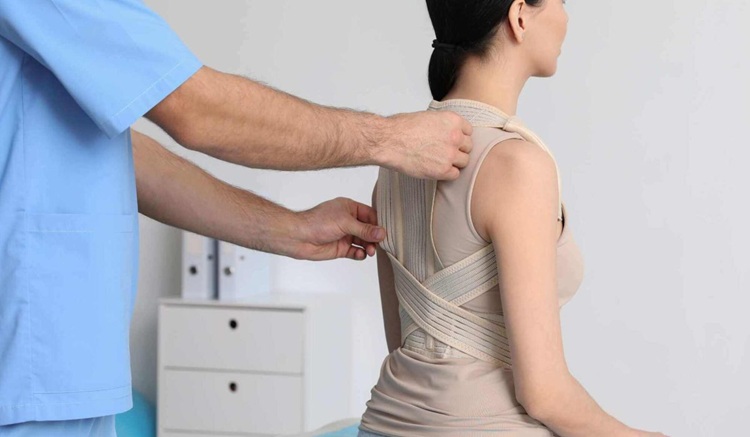
The Connection Between Posture and Lower Back Pain
The spine is naturally curved and structured to distribute weight evenly when your body is in a balanced position. However, poor posture disrupts this balance. When you slouch, lean forward, or arch your back excessively, the lower spine takes on more stress than it should.
This strain affects the muscles, joints, and discs in the lumbar region. Over time, this can lead to inflammation, stiffness, and even conditions like herniated discs. In many cases, people do not notice the changes until the pain becomes consistent or worsens with regular activity.
Common Postural Habits That Trigger Lower Back Pain
Several habits can negatively impact the posture of your lower back. These include:
- Sitting for long periods without back support
- Hunching over laptops or mobile devices
- Sleeping on overly soft or worn-out mattresses
- Standing with weight shifted to one side
- Wearing shoes with poor arch support
All of these practices can lead to poor alignment. Over time, they place the lower spine in an unnatural position, creating a chain reaction of muscle fatigue and joint stress.
How Posture Correction Helps
Improving posture directly reduces the pressure on the lumbar spine. When your body is aligned, the muscles in your back, hips, and abdomen share the load more evenly. This allows the spine to function better and reduces wear on the joints and discs.
Simple posture changes—like sitting upright with feet flat, keeping the shoulders back, or using a chair with lumbar support—can prevent muscles from becoming overworked. These small changes are often part of effective remedies for lower back pain.
Ways to Improve Posture
Improving your posture does not always require expensive equipment or major lifestyle changes. You can start with basic steps that make a significant difference:
1. Set Up an Ergonomic Workstation
Adjust your chair, screen, and keyboard so that you can sit upright with your back supported. Keep your feet flat on the ground and your elbows at a right angle.
2. Practice Core Strengthening Exercises
Exercises like planks, bird-dogs, and pelvic tilts help build the muscles that support your spine. A strong core keeps your back more stable during daily movements.
3. Be Aware of Your Posture Throughout the Day
Regularly check in with how you are standing or sitting. Straighten your back and pull your shoulders slightly backward. If needed, set reminders to change positions or stretch.
4. Use Proper Support While Sleeping
Sleeping on a medium-firm mattress can provide the right level of support for the lower back. Also, placing a pillow under the knees while lying on your back, or between the knees while lying on your side, can help maintain natural spine alignment.
5. Take Frequent Breaks
Avoid sitting or standing in one position for too long. Take short breaks to move, stretch, or walk around. This reduces stiffness and promotes better circulation.
Long-Term Benefits of Correcting Posture
Maintaining proper posture not only helps with current discomfort but also reduces the chances of developing chronic back issues later. It improves breathing, digestion, and energy levels as well. When your spine is aligned, the muscles work more efficiently and fatigue less quickly.
Many people searching for remedies for lower back pain often overlook posture correction as a long-term solution. But it is one of the most sustainable ways to keep the lower back healthy.
Conclusion
Correcting posture is a key step in reducing and preventing lower back pain. By making small adjustments in how you sit, stand, and sleep, you can ease pressure on the lumbar spine and improve your quality of life. While pain relief can take time, consistent attention to posture helps your body stay balanced and strong. Consider combining posture correction with other simple remedies for lower back pain, such as exercise and stretching, for the best results.


Leave a Reply