Signature Stamps are widely used in offices, banks, and personal documentation to save time and maintain consistency. A good stamp must produce a clear impression every time and work without interruption. However, not all stamps offer the same level of performance. Understanding the features that define a high quality stamp will help you make a better choice. Below are the key factors that determine the quality and reliability of signature stamps.
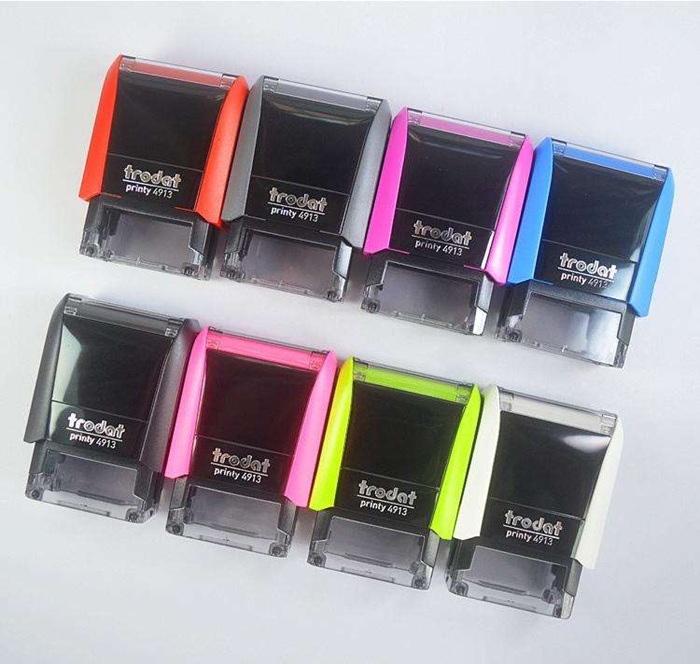
Features that Define High-Quality Signature Stamps
Clear and Accurate Impression
The primary function of a stamp is to replicate a signature. If the impression is unclear or distorted, the stamp loses its purpose.
High quality Signature Stamps provide sharp and well defined impressions. Every line of the signature should appear clean without smudging or fading. This depends on the precision used during the stamp creation process.
A poorly made stamp may blur fine details or produce uneven ink marks. Over time, this can affect document readability and professionalism.
Durable Stamp Material
The material used in the stamp plays a major role in its lifespan. Frequent usage requires a stamp that can handle repeated pressure without wearing out.
Good Signature Stamps are made from strong rubber or polymer materials. These materials hold the design firmly and resist damage over time. The base and frame should also be sturdy enough to maintain alignment.
Low quality materials may crack, deform, or lose detail after regular use. This leads to inconsistent impressions and the need for replacement.
Consistent Ink Flow
Ink distribution is another important feature. A high quality stamp should deliver even ink coverage across the entire signature.
Signature Stamps with proper ink flow produce impressions that are neither too light nor overly saturated. This balance helps maintain readability and avoids mess on documents.
Self inking stamps usually come with an internal ink pad that distributes ink evenly. If the ink system is poor, you may notice dry patches or excessive ink in certain areas.
Comfortable and Easy Handling
A stamp should be easy to use without requiring extra effort. Comfortable handling improves efficiency, especially in tasks that involve frequent stamping.
High quality Signature Stamps have ergonomic designs that fit well in hand. The pressing mechanism should be smooth and require minimal force. This reduces strain during extended use.
If a stamp feels stiff or unstable, it can affect the accuracy of the impression and slow down workflow.
Proper Alignment and Positioning
Alignment is critical for placing the signature correctly on documents. A good stamp should allow precise positioning without guesswork.
Many Signature Stamps include a transparent base or guide to help align the impression. This feature is useful for maintaining consistency across multiple documents.
Poor alignment can result in misplaced signatures, which may require rework or lead to document rejection.
Conclusion
Choosing the right Signature Stamps depends on several practical features such as impression clarity, material strength, ink flow, and ease of use. Each of these factors contributes to the overall performance of the stamp.
By focusing on these features, you can select a stamp that delivers consistent results and supports your daily work without issues.


Leave a Reply