The socks industry has changed a lot over the years. Modern production methods have made it possible to manufacture socks with better comfort, improved durability, and consistent quality. Today, manufacturers depend on advanced machines and digital systems to meet the growing demand from customers around the world.
Whether it is sports socks, casual socks, or medical products, technology plays a major role in every stage of production. From knitting to packaging, every process has seen significant improvements.
Let us look at the technologies that modern socks manufacturers use today.
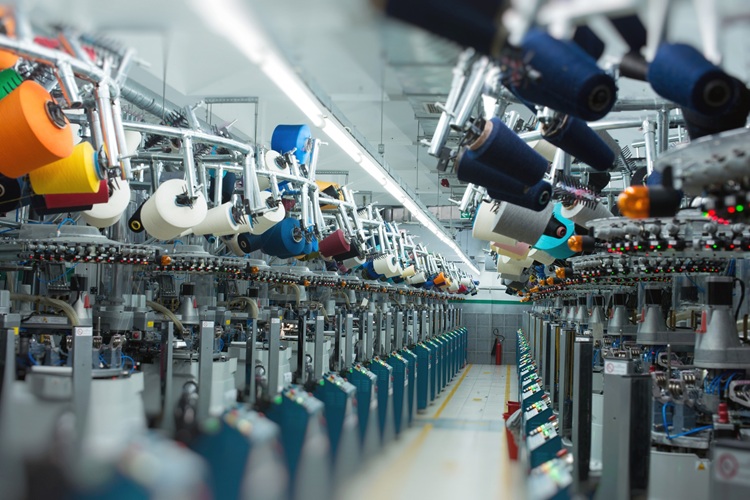
Technologies That Modern Socks Manufacturers Using Today
Computer Controlled Knitting Machines
One of the biggest improvements in sock manufacturing is the use of computer controlled knitting machines. These machines can produce socks with accurate patterns, sizes, and stitch density.
The software allows manufacturers to program different designs before production begins. This reduces manual work and helps produce large quantities without affecting product quality.
The machines can also create different knitting structures for ankle socks, crew socks, athletic socks, and many other varieties with minimal adjustments.
Automatic Toe Closing Technology
In the past, closing the toe section required more manual effort. Today, many manufacturers use automatic toe closing machines.
These machines join the toe section with better consistency and reduce production time. The finished socks also provide better comfort because the seams are smoother.
This technology has become common in factories that produce socks in large volumes.
Advanced Yarn Feeding Systems
Modern knitting machines use advanced yarn feeding systems that help maintain proper tension throughout production.
Proper yarn control prevents uneven stitches and reduces material waste. It also allows manufacturers to work with different yarn types including cotton, bamboo, wool, nylon, and recycled fibers.
With better yarn management, the finished socks maintain a consistent appearance from one production batch to another.
Digital Design Software
Sock designs are now created using digital software instead of manual drawings.
Design teams can prepare patterns, colors, and logos directly on a computer before production starts. This makes product development much faster.
If customers request changes, the design can be modified within minutes without creating everything again from the beginning.
This process also helps manufacturers check the final appearance before the knitting stage begins.
Compression Knitting Technology
Medical and sports socks require different pressure levels across various parts of the leg. This is made possible through compression knitting technology.
A modern compression socks manufacturer uses specialized knitting machines that can apply controlled pressure in specific sections of the sock.
This process helps produce socks that meet performance and medical requirements while maintaining comfort during daily use.
The machines are programmed carefully so every pair follows the required compression level.
Quality Inspection Systems
Quality inspection has also improved with modern technology.
Many factories use camera based inspection systems that check every sock during production. These systems identify missing stitches, yarn defects, color differences, and knitting errors.
Instead of waiting until the end of production, problems are detected immediately. This reduces rejected products and saves manufacturing time.
Manual inspections are still performed in many factories, but automated inspection provides an additional level of accuracy.
Automated Dyeing Equipment
Color consistency is important for every sock manufacturer.
Modern dyeing equipment controls water temperature, dye quantity, and processing time automatically. This produces even coloring across large production batches.
These systems also reduce unnecessary water usage compared to older production methods.
The result is a more consistent finish while reducing material loss during dyeing.
Smart Production Monitoring
Many factories now monitor production using digital systems.
Machine performance, production speed, and maintenance schedules can all be viewed through centralized software.
If a machine develops a problem, operators receive alerts quickly. This helps reduce production delays and keeps manufacturing running smoothly.
Production reports can also be generated automatically for better planning.
Automatic Packaging Machines
Packaging has also become more efficient with automation.
Automatic machines fold socks, attach labels, pair matching products, and prepare them for shipment.
This reduces manual handling and speeds up order processing.
Manufacturers supplying retailers and international buyers often depend on automated packaging to handle large order quantities within shorter time periods.
Sustainable Manufacturing Technology
Many manufacturers are also introducing environmentally friendly production methods.
Modern equipment uses less electricity and reduces unnecessary material waste. Some factories recycle production scraps while others use recycled yarns for selected products.
Water saving systems are also becoming common in dyeing operations.
These improvements help manufacturers reduce operating costs while making production more efficient.
Conclusion
Technology has changed almost every part of sock manufacturing. Computer controlled knitting machines, automated inspection systems, digital design software, compression knitting equipment, and smart production monitoring all contribute to faster production and better product consistency.
As customer expectations continue to grow, manufacturers continue adopting newer production methods that improve efficiency and product quality. Whether producing fashion socks, athletic socks, or medical products, modern technology helps manufacturers deliver reliable products while maintaining consistent manufacturing standards.


Leave a Reply