Stamps are used for signing documents, approving paperwork, marking packages, and handling many other office tasks. While choosing a stamp, most people focus on the design, size, and price. But the material used to make the stamp also plays an important role.
Different stamp materials offer different levels of durability, comfort, appearance, and usability. Because of this, you must understand the material before buying a stamp.
Therefore, we are going to discuss how stamp material affects your buying decision and what you must consider before choosing one.
How Does Stamp Material Affect Your Buying Decision?
Rubber Stamp Material
Rubber is one of the commonly used materials for making stamps. It is suitable for regular office and personal use because it can produce clear impressions on paper.
Rubber stamps are available in different sizes and can be used with separate ink pads. They are also available with different handle materials according to the type of stamp you choose.
If you need a stamp for regular document signing or office work, a rubber stamp can be a practical option. If you are wondering How to get a Signature Stamp, start by choosing the stamp type and material based on how often you sign documents and where you will use it.
Self Inking Stamp Material
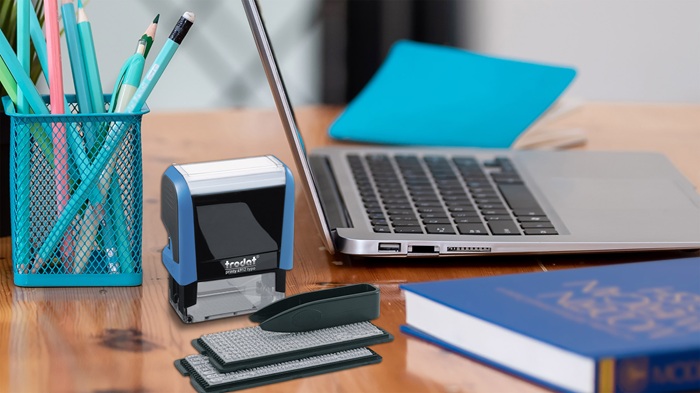
Self inking stamps have an internal ink pad that applies ink to the stamp surface whenever you press it.
This type of stamp is useful when you have to make several impressions continuously. You don’t have to use a separate ink pad every time you use the stamp.
The internal mechanism also makes the stamp easier to use and store. However, the internal parts can wear out after prolonged use.
Before buying a self inking stamp, check the quality of the internal mechanism and the type of replacement ink available for it.
If you are going to use the stamp frequently, choose a model that can handle repeated impressions without affecting the print quality.
Pre Inked Stamp Material
Pre inked stamps contain ink within the stamp itself. The ink is stored inside the stamping material and comes out when pressure is applied.
These stamps can create sharp and detailed impressions. They are useful when the stamp contains small letters, signatures, logos, or other detailed designs.
However, the amount of ink available inside the stamp is limited. Therefore, you may have to refill it after regular use.
If appearance and impression quality are important for your work, a pre inked stamp can be considered.
Wooden Stamp Material
Wooden stamps are commonly used with a separate ink pad. The wooden handle gives the stamp a traditional appearance and makes it comfortable to hold.
They can be useful for personal stamps, craft work, packaging, and office applications.
However, wooden stamps require a separate ink pad. This can make the stamping process slower when compared with self inking options.
If you don’t use the stamp frequently, this type can be a suitable choice.
Plastic Stamp Material
Plastic is also used for different parts of modern stamp designs. It is lightweight and can be produced in different shapes and sizes.
Plastic stamp bodies are generally easy to handle and store. They can also be combined with rubber or other stamping materials to create a complete stamp.
If portability is important to you, a lightweight plastic stamp can be a useful option.
Metal Stamp Material
Metal is generally used when a stronger and more durable stamp body is required. Metal components can provide a solid feel and can withstand frequent handling.
However, metal stamps can be heavier than plastic or wooden options. The higher material cost can also affect the final price of the stamp.
Therefore, you should choose a metal stamp when durability and frequent use are more important than having a lightweight stamp.
Conclusion
Stamp material can affect the durability, comfort, appearance, and overall use of the stamp. Rubber, wood, plastic, metal, self inking, and pre inked options each have their own benefits and limitations.
Therefore, don’t choose a stamp only by looking at its design or price. Consider your usage, frequency, maintenance, and required impression quality. Once you understand these factors, choosing the right stamp becomes much easier.


Leave a Reply