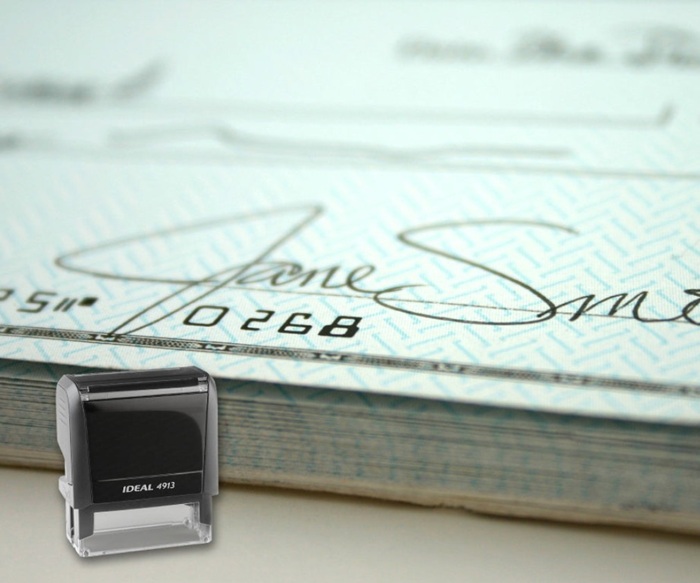
Authorized signature stamps are used by banks and businesses to approve documents, checks, and other financial transactions. They help simplify routine work and reduce the time required for signing multiple documents. However, improper use of these stamps can lead to unauthorized payments, financial losses, and security issues.
Therefore, banks must audit the use of authorized signature stamps regularly. This helps them identify possible misuse, verify transactions, and maintain proper control over financial activities.
How Should Banks Audit the Use of Authorized Signature Stamps?
Maintain a Record of Authorized Signature Stamps
The first step is to maintain a record of all authorized signature stamps used for banking activities. This record should include the name of the authorized person, the purpose of the stamp, and the accounts or transactions for which it can be used.
Banks should also record when a stamp is issued, replaced, or withdrawn from use. This makes it easier to identify whether a stamp is being used beyond its approved purpose.
If a stamp is reported missing or stolen, the bank should update its records and follow the required procedures to prevent unauthorized use.
Verify Transactions Approved Using Signature Stamps
Banks must review transactions that have been approved using signature stamps. This includes checks, payment instructions, and other documents where stamped signatures are accepted under the bank’s procedures.
During the audit, the bank should check whether the transaction was authorized and whether the required supporting documents are available.
For example, if a check is presented with a stamped signature, the bank should verify that the account holder has an approved arrangement for using that stamp. The bank must also follow its applicable rules for accepting and processing the check.
This helps reduce the possibility of unauthorized payments.
Check the Security of Signature Stamps
Signature stamps must be stored securely to prevent unauthorized access. If several employees can access the same stamp, it may become difficult to identify who used it for a particular transaction.
Therefore, banks and businesses should restrict access to authorized personnel. They should also maintain records of stamp usage wherever required by their internal procedures.
During an audit, the bank should check whether these security measures are being followed. If the stamp is accessible to unauthorized employees, corrective action should be taken.
Review Audit Trails and Supporting Documents
An audit trail helps banks determine when a signature stamp was used and which transaction it approved. Depending on the organization’s procedures, this record may include transaction details, approval records, employee identification, and supporting documents.
Banks should compare these records with the transactions processed during the audit period. If a transaction does not have the required approval or supporting documents, it should be reviewed further.
For example, repeated payments to the same recipient or transactions that do not match the approved instructions may require additional investigation.
Proper documentation helps banks identify errors and investigate possible misuse.
Is a Signature Stamp For Checks Legal?
The question of whether a Signature Stamp For Checks Legal arrangement is permitted depends on the applicable law, banking rules, account agreement, and the circumstances of its use.
Some banks may permit signature stamps under specific conditions, while others may restrict their use or require additional authorization. Therefore, businesses should check with their bank before using a stamp to approve checks.
Banks must also follow the relevant legal requirements and internal policies when accepting stamped signatures. An audit should verify that the use of the stamp complies with the applicable rules rather than assuming that every stamped check is valid.
Conclusion
Auditing the use of authorized signature stamps helps banks control financial transactions and reduce the risk of unauthorized payments. By maintaining authorization records, reviewing transactions, restricting stamp access, and checking supporting documents, banks can identify problems before they cause further losses.
Regular audits also help banks confirm that signature stamps are being used according to applicable banking rules and approved procedures. With proper controls and timely corrective action, banks can manage the risks associated with authorized signature stamps more effectively.


Leave a Reply